


 0
0

The Science Behind Singing Bowl (Moon Bowl) Healing in Counselling: An Evidence-Based Sound Approach
Singapore
Oct 29 2025
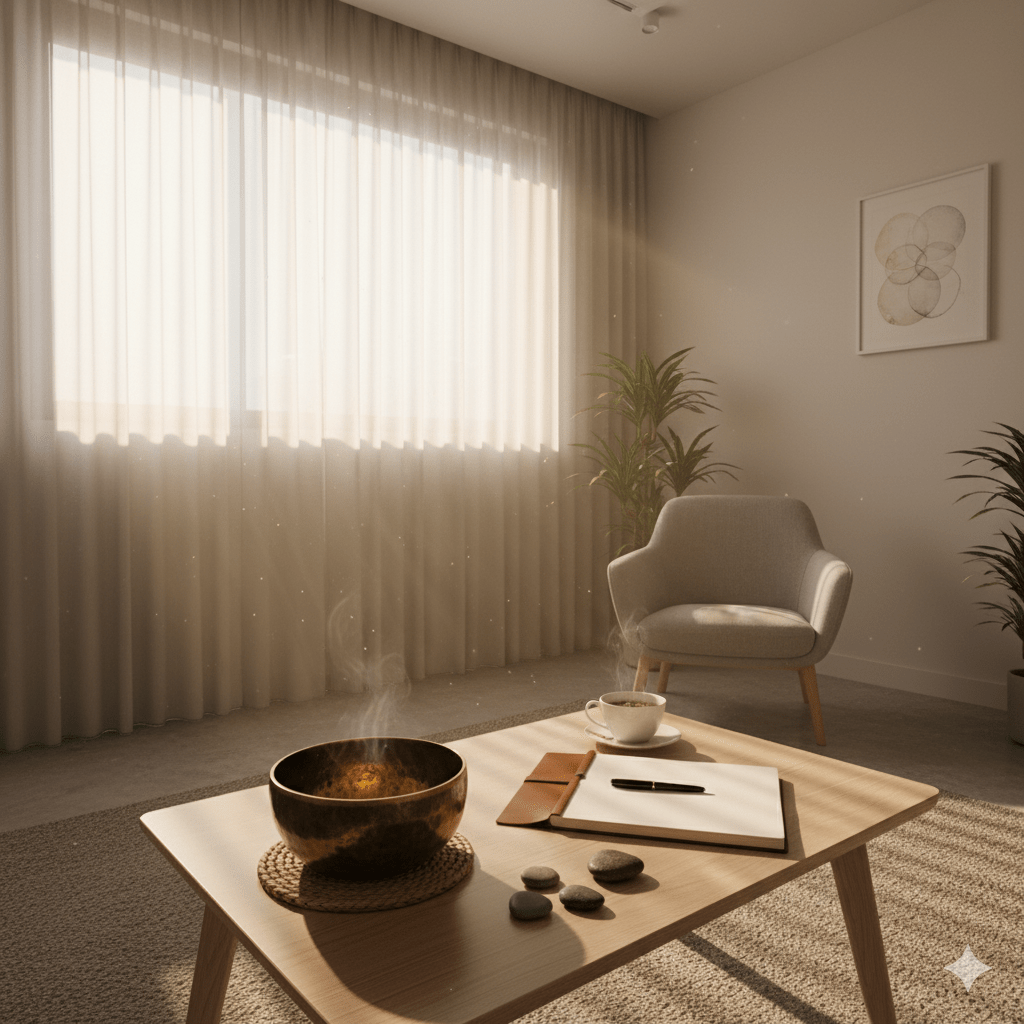
Sound has always been a part of human healing. From ancient chants to rhythmic drumming, sound has been used across cultures to restore balance, calm the mind, and realign the body’s natural rhythms. In modern psychotherapy, this ancient wisdom is being revisited with scientific curiosity. The Moon Bowl, a special type of handmade singing bowl crafted under moonlight in Nepal, represents a bridge between traditional healing and modern psychological understanding. At The Lion Mind, we use this sound-based intervention not as a replacement for counselling, but as a gentle complement that supports deeper relaxation, emotional release, and psychological integration.
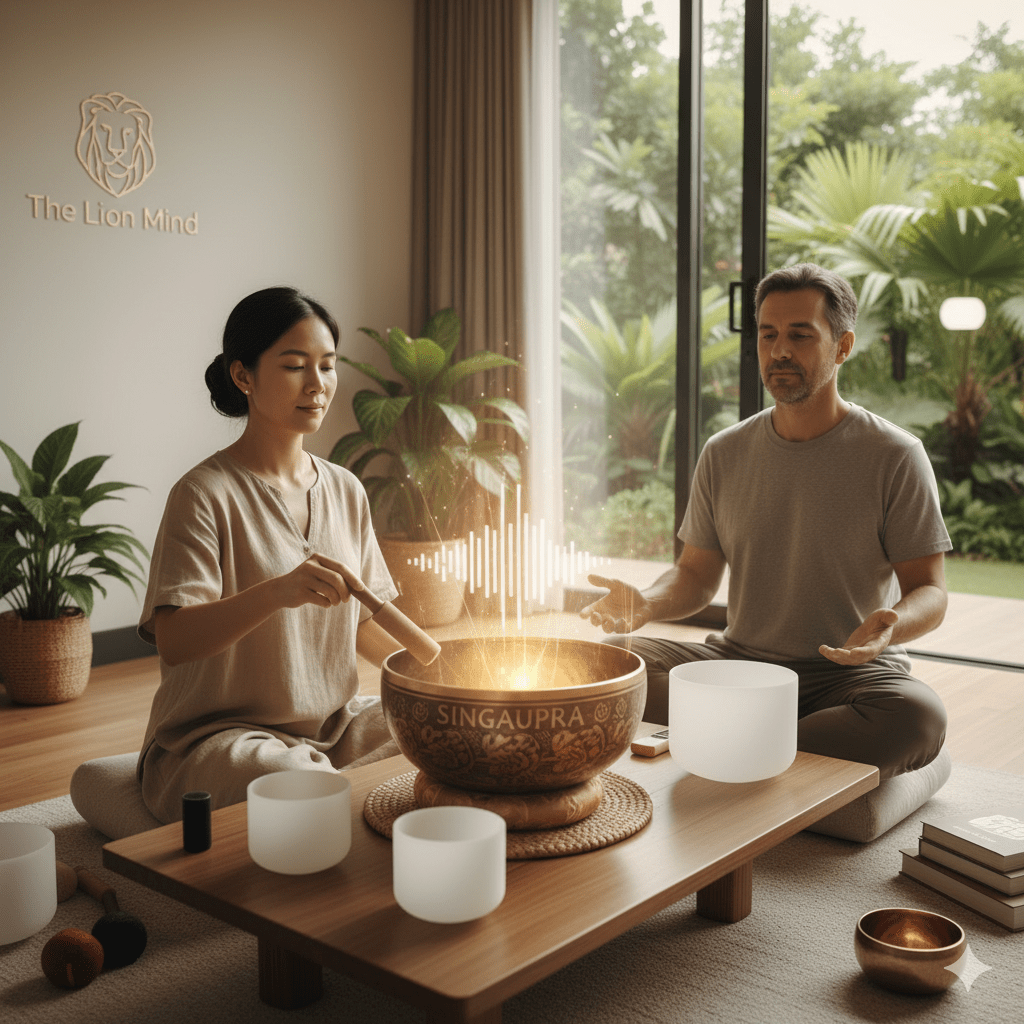
When a Moon Bowl is struck or played, it produces complex tones that vibrate through the air and, subtly, through the body. These vibrations affect the autonomic nervous system, which governs our stress responses. Research on sound therapy and vibroacoustic treatment has shown that sound waves can promote relaxation, reduce physiological arousal, and lower levels of cortisol — the hormone associated with stress. This means that the body begins to shift from a state of alertness or anxiety into one of calm and restoration. Clients often describe this as a deep sense of “reset,” a gentle quietening of the mind that allows them to connect more fully with their inner experiences.
In counselling, this physiological response matters. When the body calms, the mind becomes more open to reflection. Many clients come to therapy carrying tension from work stress, family obligations, or emotional fatigue. Traditional talk therapy alone may sometimes feel cognitively heavy, particularly when clients are too anxious or overwhelmed to access their deeper emotions. Integrating sound from the Moon Bowl helps clients reach that inner stillness more easily. The vibrations act as a grounding anchor, allowing clients to feel safe enough to explore difficult emotions or thoughts.
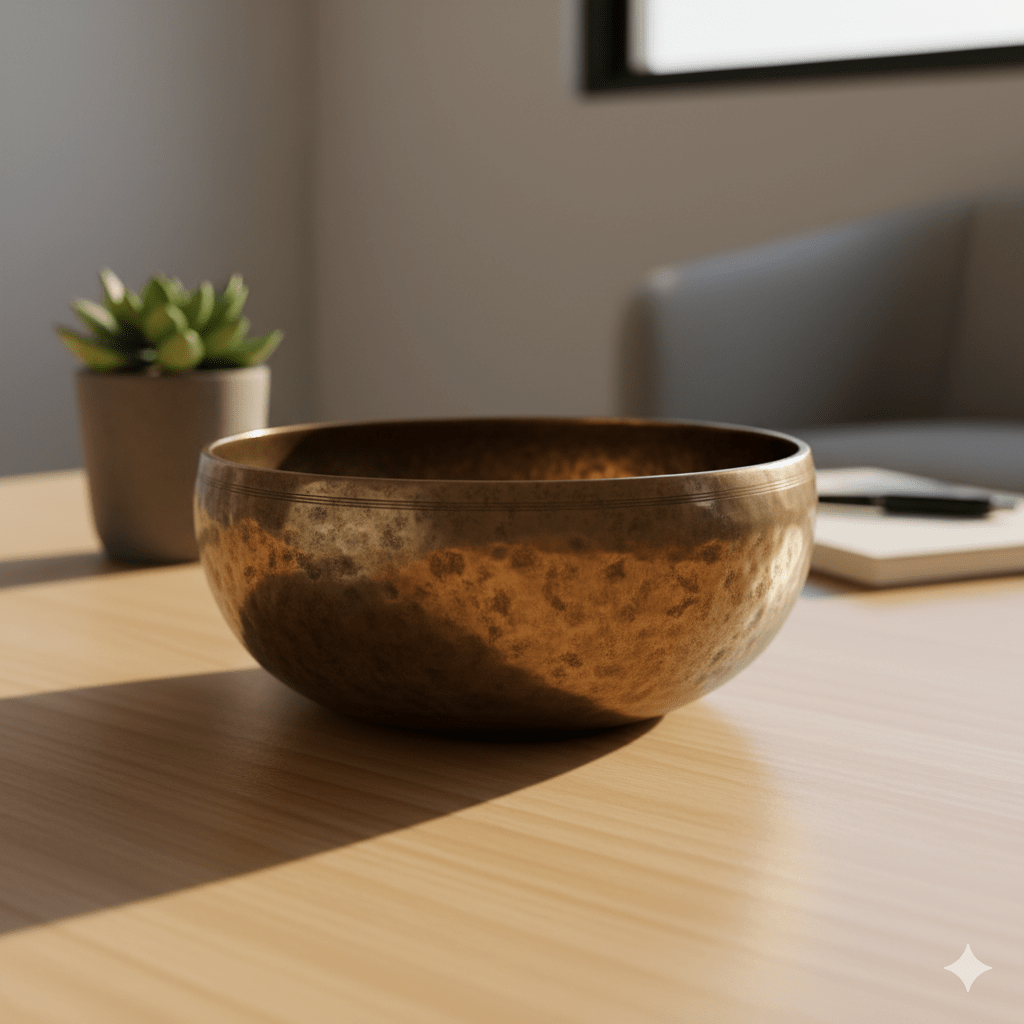
Unlike factory-produced singing bowls that often have a uniform, sterile tone, each Moon Bowl is unique. Handmade under moonlight in Nepal, the bowls carry subtle variations in tone that give them their organic, soulful resonance. The crafting process itself is symbolic: the moon represents reflection, intuition, and emotional cycles. These same qualities are essential in therapy, where healing often unfolds quietly and rhythmically, like phases of the moon. Each sound produced carries not only vibration but meaning, serving as an invitation for the client to slow down and reconnect with what is within.
Scientific research supports the therapeutic benefits of sound. Studies in neuroscience show that rhythmic and harmonic frequencies can entrain brainwaves, encouraging transitions from the active beta state (associated with alertness and stress) to slower alpha and theta states (associated with relaxation and meditation). These slower brainwave patterns foster introspection, creativity, and emotional regulation: all vital elements in the counselling process. In practice, a Moon Bowl session often begins with a few minutes of sound immersion before the verbal therapy starts. This sets the tone, both literally and metaphorically, for emotional openness and safety.
At The Lion Mind, sound therapy using the Moon Bowl is thoughtfully integrated into the therapeutic framework. It is not an isolated activity or a mystical ritual. Rather, it complements established psychological approaches such as Cognitive Behaviour Therapy (CBT) and experiential methods like OH Cards exploration. For instance, during a counselling session, a short Moon Bowl segment may help a client transition from cognitive reflection to embodied awareness. This helps them identify not only what they think but what they feel. For clients who find it difficult to articulate emotions, the soothing hum of the bowl becomes a gentle mirror of their inner state.
Many clients describe the sound as something that “touches where words cannot reach.” In moments of silence between tones, they often notice emotions surfacing naturally: grief, calmness, or relief. The sound acts as a safe container for these emotions, holding space without judgement. This mirrors the therapeutic stance of empathy and acceptance, core values in person-centred counselling. When combined, the therapist’s presence and the Moon Bowl’s resonance create a multisensory environment where healing can occur on multiple levels: mental, emotional, and physiological.
Scientific evidence continues to grow. A 2020 review of sound-based interventions published in the Journal of Evidence-Based Integrative Medicine found consistent reductions in stress, anxiety, and mood disturbances across clinical and non-clinical populations. Vibroacoustic therapy, a close cousin of singing bowl therapy, has been shown to lower muscle tension, stabilise heart rate, and improve subjective well-being. Although more research is still needed, the direction is clear: sound interventions can meaningfully support mental health, especially when integrated by trained professionals who understand both the science and the human experience behind it.
At The Lion Mind, sessions involving the Moon Bowl are always conducted within a counselling context. This means that before sound therapy begins, clients first undergo a consultation to understand their emotional and psychological needs. The Moon Bowl is then used intentionally, not generically, as part of a tailored therapeutic journey. This is crucial because sound healing, while soothing, may sometimes evoke deep emotional responses. A trained mental health clinician ensures that these experiences are safely contained and therapeutically integrated, rather than left unresolved.
What makes the Moon Bowl unique is also what makes it suitable for modern Singaporeans. In a fast-paced society where stress and burnout are common, moments of stillness are rare. The Moon Bowl offers a brief yet profound experience of slowing down. Its vibrations gently remind the body of what calmness feels like — something many have forgotten. When paired with professional counselling, it becomes more than a relaxation tool; it becomes part of a larger healing process. The sound helps unlock the body, and the counselling helps make sense of what the body reveals.
The journey with the Moon Bowl is deeply personal. Some clients report physical sensations, like warmth or gentle waves in the body. Others notice memories or emotions resurfacing. Some simply feel lighter, as if a layer of stress has quietly lifted. Each experience is valid and forms part of the healing narrative. Over time, regular exposure to the Moon Bowl’s resonance can help individuals cultivate greater mindfulness and self-awareness, both essential skills for long-term emotional resilience.
It is important to emphasise that Moon Bowl healing is not a replacement for counselling or medical treatment. It is a complementary process, one that supports the mind–body connection through sound, stillness, and self-awareness. At The Lion Mind, the intention is not to offer a mystical escape, but to facilitate evidence-based, human-centred healing through a sensory medium that has stood the test of time.
If you have been feeling mentally or emotionally fatigued, or find yourself stuck in cycles of stress and tension, consider experiencing a Moon Bowl-integrated counselling session. It is not about “fixing” you, but about helping you reconnect with a quieter, wiser part of yourself, one that already knows how to heal. You are invited to experience this for yourself at The Lion Mind, where science meets sound, and sound meets soul.
Book a one-to-one counselling session today, and during your first consultation, you can request to experience the Moon Bowl. Allow the resonance to guide you towards calmness, and let the counselling process help you make sense of what you discover within.
Related articles
The Craft of Moon Bowls — Hand-Made Healing from Nepal
What Is Moon Bowl Healing? A Gentle Introduction to Sound Therapy in Counselling
If you like what you read, follow us on Facebook, Instagram, LinkedIn, or Tik Tok to get the latest updates.
Have a question? Reach out to us through our contact form or WhatsApp.
Want to speak to our clinicians? Book your appointment here!
Join Our Newsletter
Subscribe to our newsletter and receive daily updates & promotions!